
Civil War Tour: City Point and Five Forks
June 2015
Perhaps the quartermaster training is at Fort Lee because of the proximity of City Point. This small port was the home of a local farmer and slave owner. He had left to help the Confederate army, and his wife took the children and a few slaves to Petersburg for safety. The Union forces captured the point, and used it to supply the troops. The dock and facilities were greatly expanded.
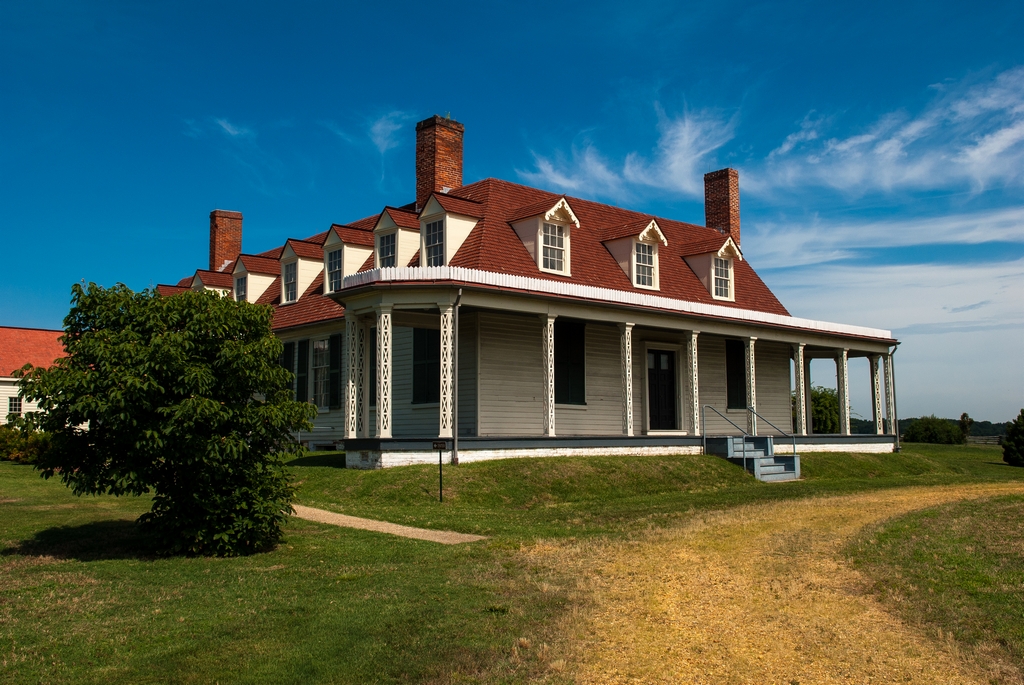
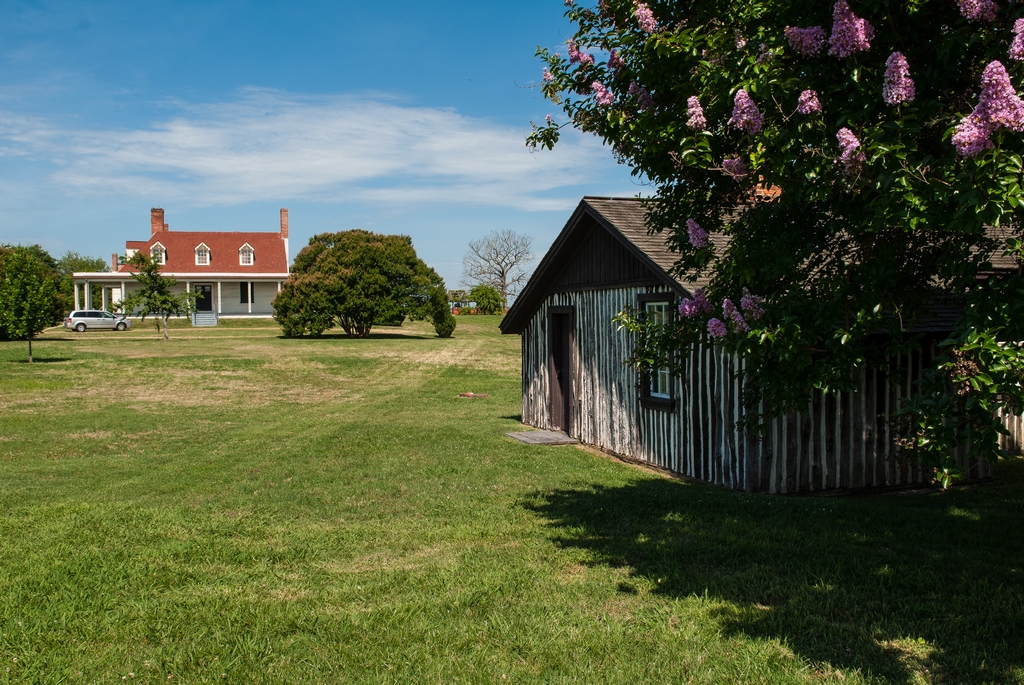
The farm house was used as the headquarters.
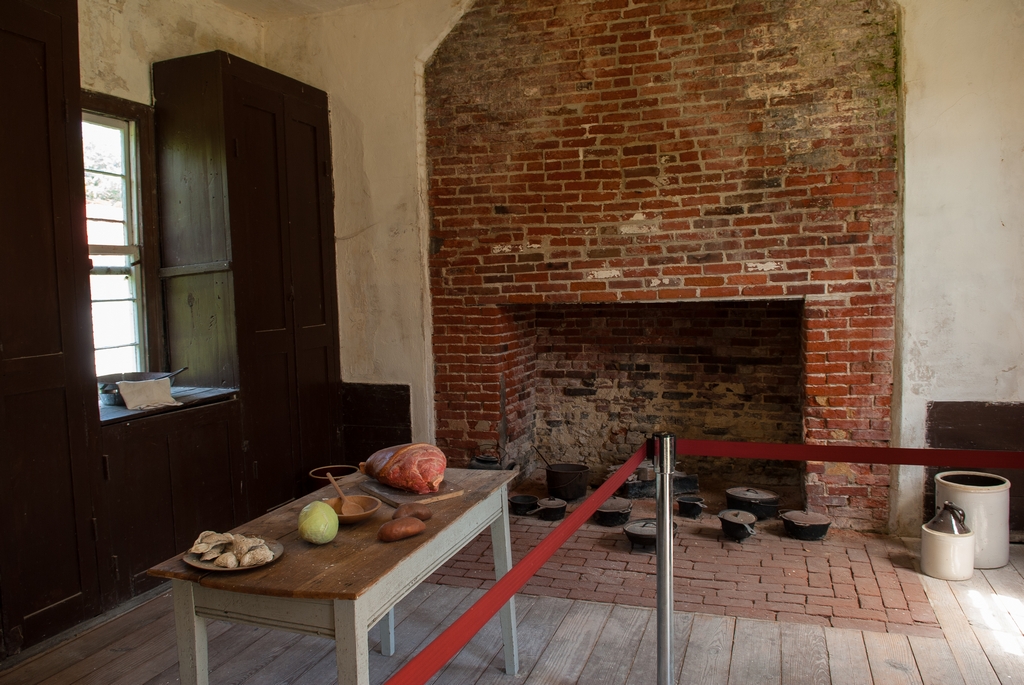
The primary kitchen for the house is in a separate building. Also in this building was the laundry area. They had an interesting write-up describing how valuable a good laundress was.
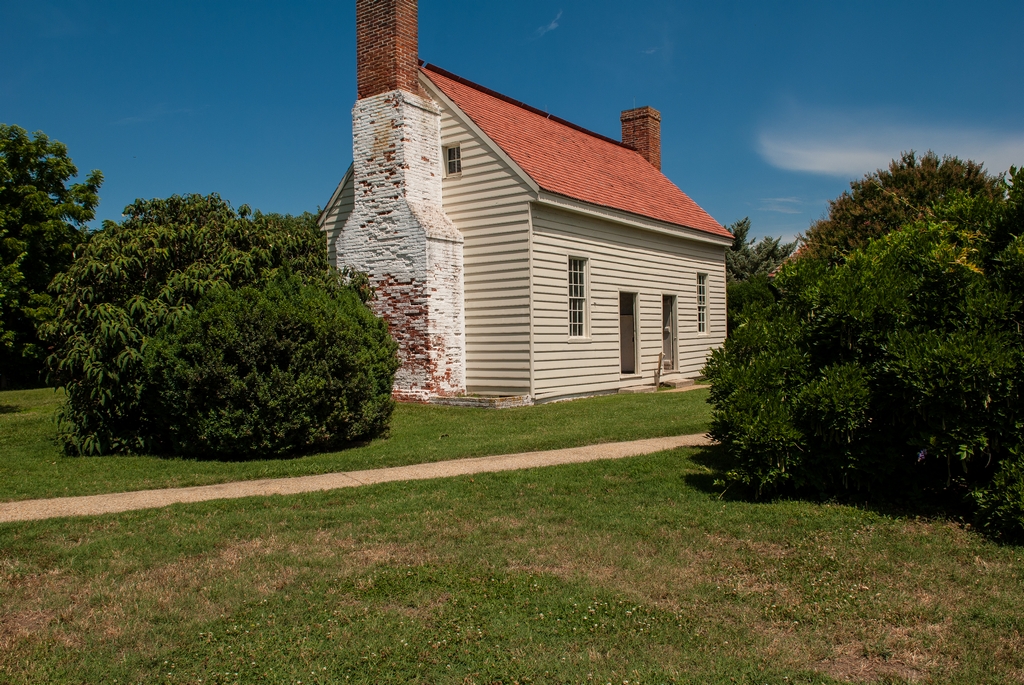
Next to the farm building headquarters were built 22 small cabins that were used as housing. The one Grant used while there is the only one now there. In the picture you can also see the lovely Crepe Myrtle trees that were in bloom during our visit.
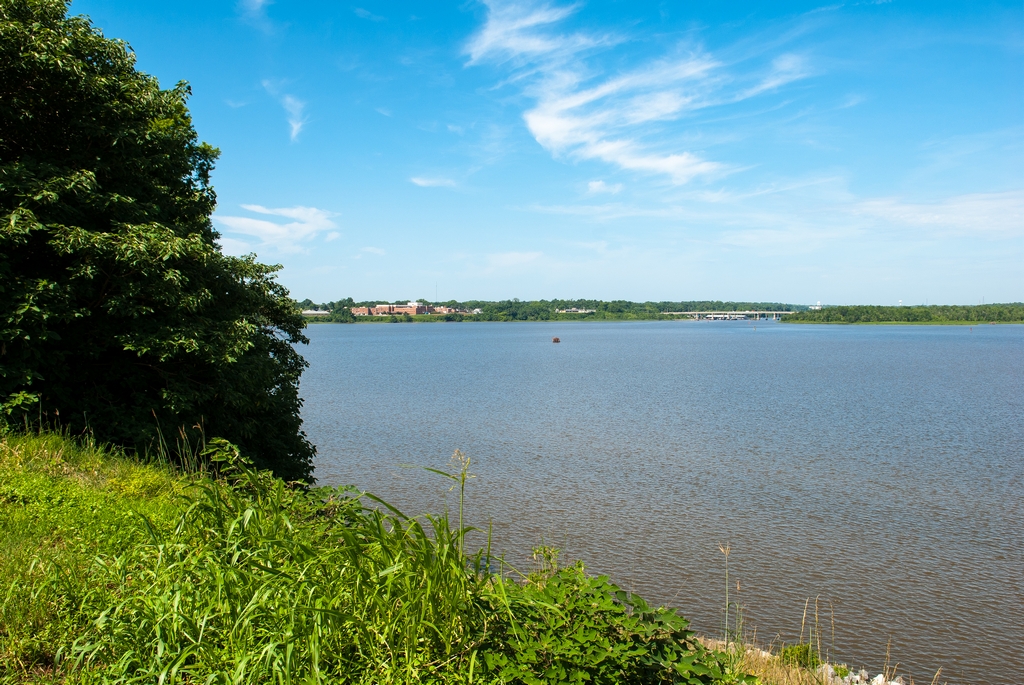
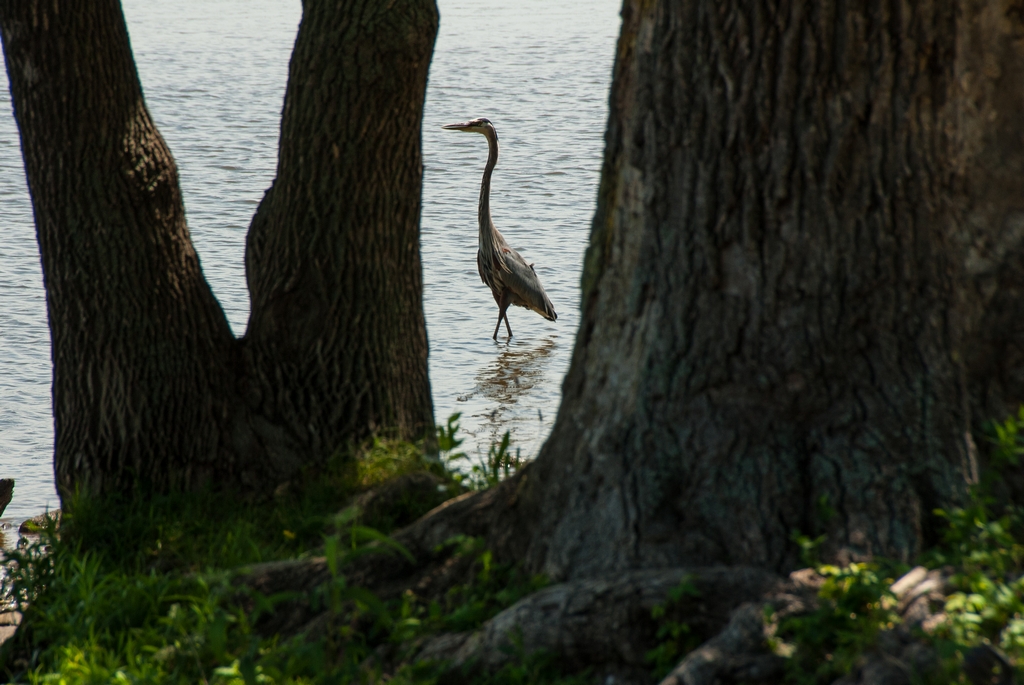
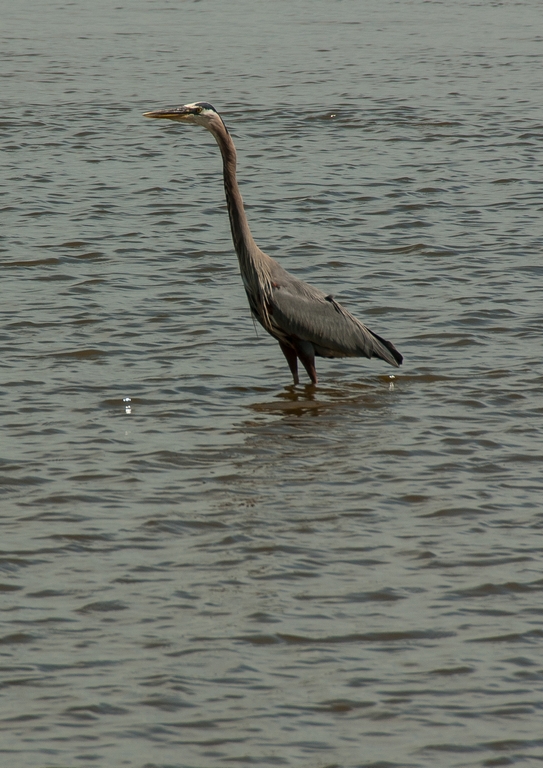
Visitors can walk down to the water.
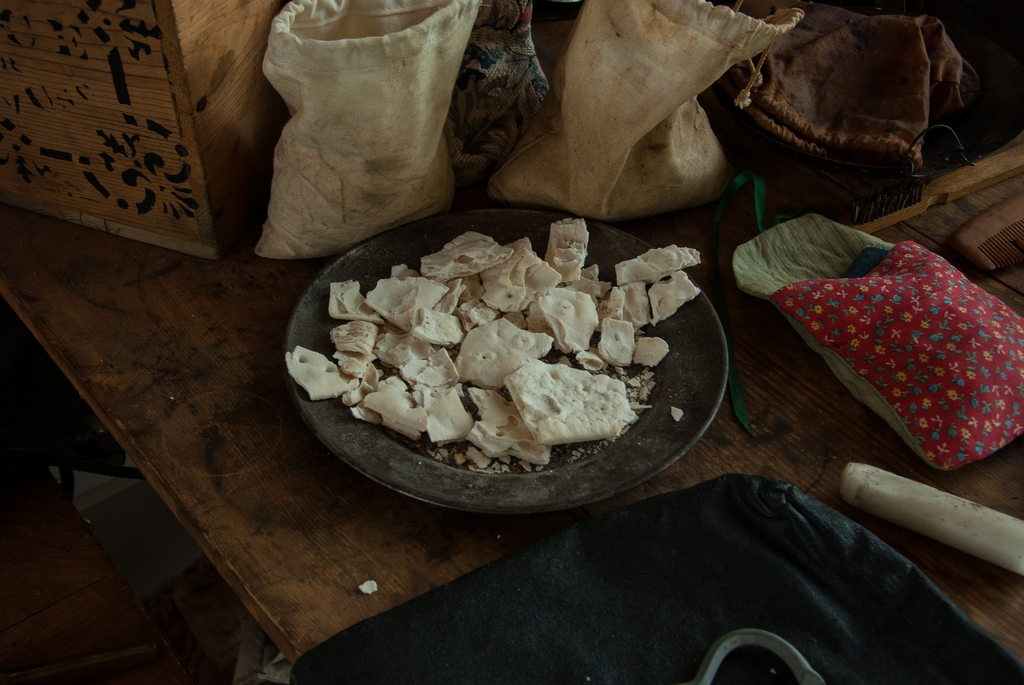
On the other side of Petersburg is Five Forks. The visitor center there had some hardtack on display.
We had an interesting conversation with the ranger at this center. His ancestors were slaves. He pointed out that conditions immediately after emancipation were bad for blacks in the South. Before they had economic value, but once freed they did not so they were often killed by upset whiltes. The Five Forks area consisted mostly of a few signs at key points, such as the Five Forks intersection itself.
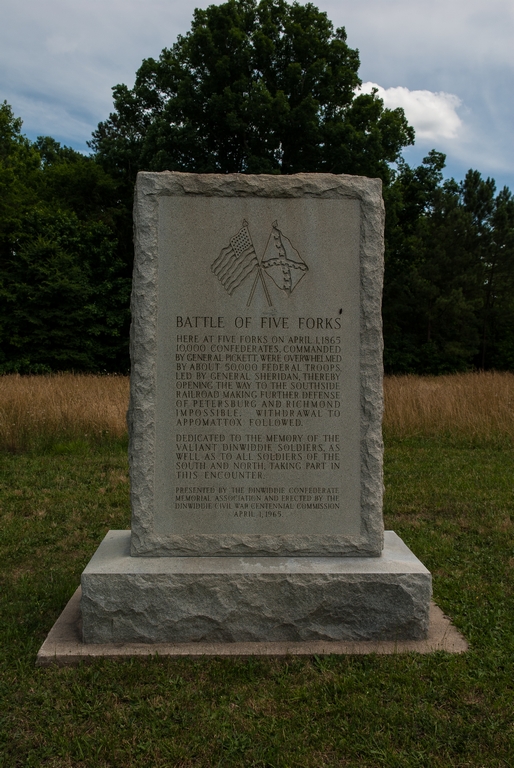
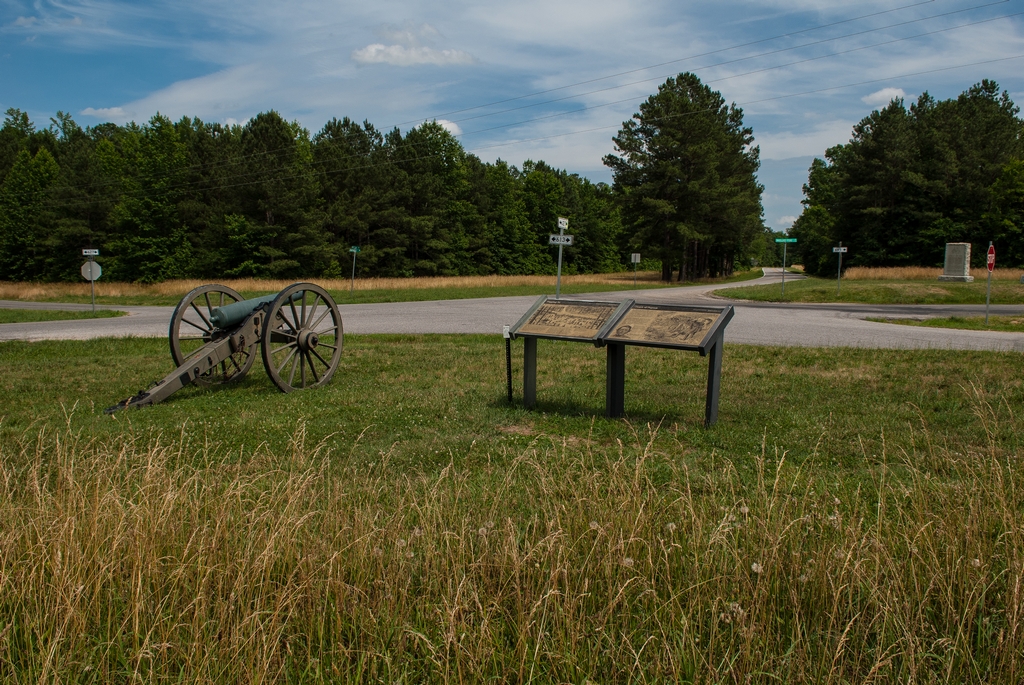
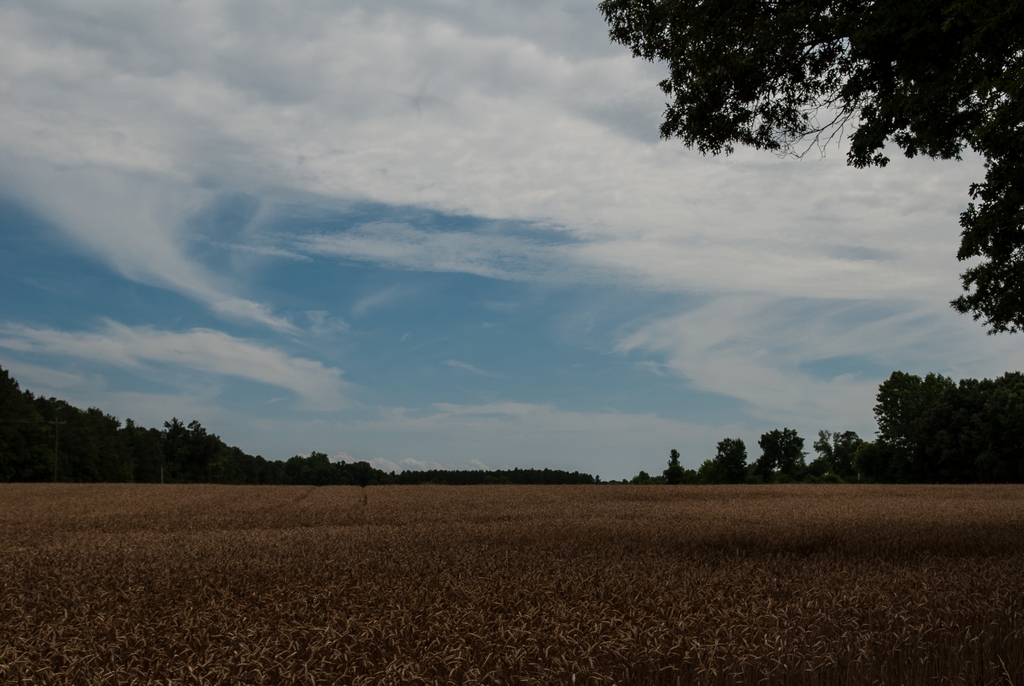
The Confederate forces were trying to hold Five Forks to protect the rail line to Petersburg. Once they lost this, any hope that they could hold out in Petersburg was gone. Lee and his forces retreated, aiming to meet up with other Confederate forces. Grant's forces outran them, and the two armies met again in Appomattox.
Now, finally, to the last page of this report.
Updated April 2026